Stranger Things 5, Volume 1 Overwhelms With Chaos, Not Closure
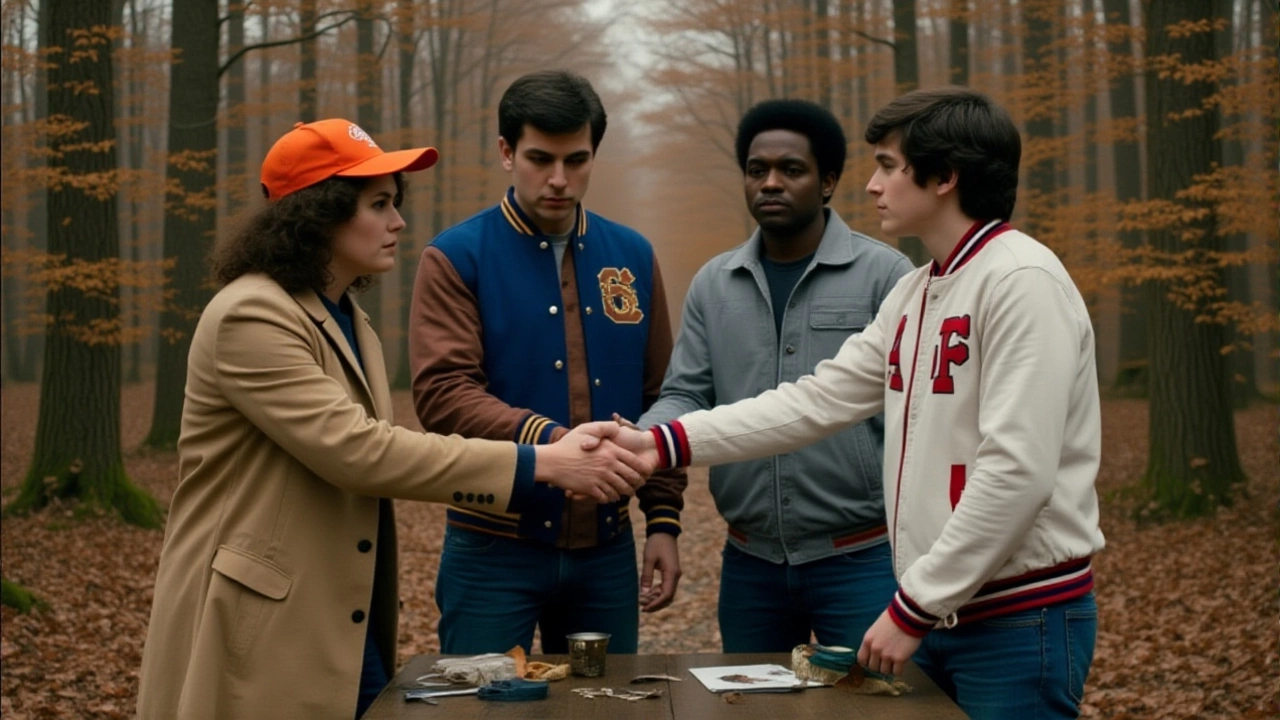
When Netflix dropped the first four episodes of Stranger Things Season 5, Volume 1 on November 26, 2025, at 5:00 p.m. PT, fans didn’t just hit play—they braced for impact. The show, now entering its final chapter, didn’t ease back into Hawkins. It stormed back in with sirens blaring, tunnels collapsing, and a town still bleeding from the Upside Down. What followed wasn’t a nostalgic reunion. It was a war movie wrapped in 80s synth, and it left many fans breathless—not all of it good.
What Happened in Hawkins? A Town Under Siege
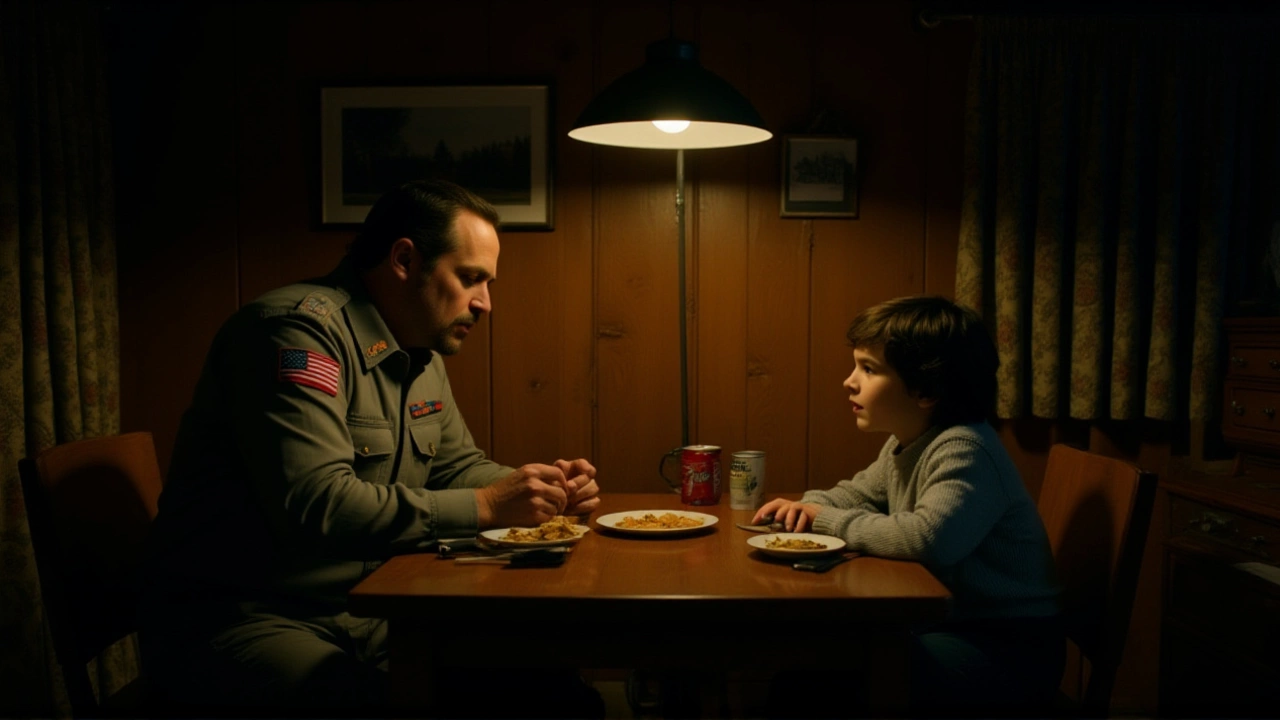
More than a year and a half after the Battle of Hawkins Lab, the town hasn’t recovered. It’s been sealed off by the U.S. military, cordoned off like a biohazard zone. The streets are patrolled by soldiers in hazmat gear. Kids who survived the Upside Down now live under curfew, their friendships strained by trauma and secrecy. The once-quirky, cozy town of Hawkins, Indiana feels like a ghost town with a gun in its hand.
The source of the chaos? The dimensional rifts haven’t closed. They’re spreading. Trees grow backward. Shadows move on their own. And something new—something bigger—is stirring beneath the earth. Enter Linda Hamilton, stepping into the role of Dr. Kay, a hardened military strategist who leads an underground resistance network hidden in the old Hawkins sewer tunnels. Her presence adds gravitas, but also a new layer of bureaucracy to a show that used to thrive on chaos.
The MVP and the Missing Pieces
One name keeps coming up in fan reactions: Noah Schnapp. As the quiet, emotionally shattered Will Byers, Schnapp delivers the performance of his life. His scenes—silent, trembling, staring into the dark—are the emotional anchor of Volume 1. He doesn’t shout. He doesn’t monologue. He just… endures. And it’s devastating.
But here’s the twist: the rest of the core group feels like spectators. Lucas, Mike, and Dustin—the trio who once carried the show’s heart—now wander through plot threads like lost tourists. Their arcs haven’t moved. Their fears haven’t evolved. Steve and Dustin’s banter still feels like recycled season 2 material. Jonathan’s storyline? A rerun of his isolation from season 3. It’s not that these characters are bad. It’s that they’re stuck. And in a final season? That’s a problem.
Too Many Characters, Too Little Focus
The Nerdist review nailed it: this season feels like it takes place in Westeros, not Indiana. There are so many players now—new military officers, escaped lab subjects, mysterious scientists, a revived Holly Wheeler (elevated from background teen to key player, though her actor remains unnamed)—that the narrative starts to fray at the edges. Each new character comes with a backstory, a secret, a hidden agenda. And while some are compelling, most just add noise.
One sequence—a claustrophobic chase through flooded tunnels lit only by flickering emergency lights—was described by Nerdist as “the scariest, most gruesome” in the series’ history. It’s brilliant. But then the next scene cuts to a 10-minute exposition dump about the origins of the Upside Down’s new hive-mind. The tonal whiplash is real.
Even the show’s signature emotional beats feel overburdened. Hopper and Joyce’s reunion? Sweet. But it’s undercut by a subplot about a missing lab rat that somehow ties into Russian intelligence from 1987. Why? No one’s sure. The writers are building a mythos, yes—but they’re doing it with a sledgehammer.
The Lore Is Getting Too Heavy
Remember when the Upside Down was just a creepy mirror dimension with Demogorgons? Now it’s a sentient ecosystem with psychic tendrils, hive consciousness, and a strange affinity for human memories. Volume 1 throws out new rules like confetti: the dimension isn’t just invading—it’s evolving. It’s learning. It’s adapting. And it’s using the kids’ trauma as fuel.
It’s ambitious. But it’s also confusing. One fan theorized online that the new threat is tied to Eleven’s lost powers, but the show doesn’t confirm it. Another suggests Dr. Kay’s resistance group is secretly working with the same government that created the original experiments. The show hints at it. Then drops it. Then brings it back in Episode 4 like it’s a punchline.
There’s a difference between mystery and muddle. Volume 1 walks that line—and stumbles.
What Comes Next? The Final Three Volumes
Netflix hasn’t announced release dates for Volumes 2 and 3, but insiders suggest they’ll drop in early 2026, with Volume 3 serving as the true series finale. The hope? That the next installments will cut the fat. That they’ll focus on the emotional core: Eleven’s connection to Will, Mike’s loyalty, Dustin’s humor as armor, and the family that refused to let go.
There’s still time to fix this. The acting is top-tier. The production design is stunning. The score? Still haunting. But the story needs to breathe. Right now, it’s gasping.
Why This Matters
Stranger Things isn’t just a show. It’s a cultural touchstone for a generation that grew up with it. Its ending isn’t just entertainment—it’s closure. And Volume 1, for all its spectacle, feels like it’s trying to do too much to earn that closure. It’s not bad. It’s just… overwhelmed.
What we’re seeing now isn’t the end of a story. It’s the final act of a fever dream. And if the writers don’t start trimming the branches soon, they might lose the tree entirely.
Frequently Asked Questions
Why does Stranger Things 5 feel so cluttered compared to earlier seasons?
Volume 1 introduces over a dozen new characters and layers of lore that weren’t in earlier seasons, turning what was once a tight-knit ensemble into a sprawling political thriller. The original show thrived on simplicity—kids, monsters, and friendship. Now, with military operations, dimensional biology, and hidden resistance cells, the plot feels stretched thin across too many threads.
Is Noah Schnapp really the standout performer in Volume 1?
Yes. Schnapp’s portrayal of Will Byers—silent, haunted, and emotionally raw—carries the emotional weight of the entire season. While others are given exposition-heavy scenes, Schnapp communicates volumes with a glance. His arc, centered on trauma and identity, is the only one that feels truly evolving, making him the de facto heart of the season.
What’s the significance of Linda Hamilton’s character, Dr. Kay?
Dr. Kay represents the cold, institutional response to the supernatural. Unlike Joyce or Hopper, who fought with instinct and love, Kay operates with strategy and secrecy. Her underground resistance, while well-intentioned, mirrors the very government overreach the show once criticized. She’s a dark reflection of the show’s past—making her one of its most thematically rich additions.
Will the next volumes fix the pacing and confusion?
It’s possible. Volume 1 clearly sets up the final conflict, but it’s overloaded with setup. If Volumes 2 and 3 focus on resolving key relationships—Eleven and Will, Hopper and Joyce, Dustin and Steve—and cut the bureaucratic side plots, the finale could still land powerfully. The foundation is strong. The execution just needs pruning.
Why was Hawkins militarized instead of evacuated?
The show implies the government fears the Upside Down’s contamination is airborne or communicable, and that evacuating could spread the threat nationwide. This mirrors real-world pandemic lockdowns, making the scenario feel chillingly plausible. The quarantine isn’t just about containment—it’s about control, turning Hawkins into a lab with no exit.
Is Stranger Things 5 the end of the series?
Yes. The Duffer Brothers have confirmed Season 5 is the final chapter. Volume 3 will conclude the story of Eleven, Mike, and the gang. No spin-offs or sequels are planned. This is the last ride—and it better end with a hug, not a headache.